Two days ago, the Washington Post released their investigative report on the “secret history of the war” in Afghanistan. I have not read this yet, but I am pretty sure that there will not be much contained within it which will not surprise me much.
I deployed to Afghanistan in 2004-2005, and for the entirety of that period, I was part of the company which provided VIP support to visiting and resident dignitaries, military leaders, and celebrities who required transport to the various locations in the northern part of that war-torn nation. I found the wild and violent beauty of Afghanistan a point of sheer fascination; at the same time, I was amazed at the fact that I flew over lands which I had heard about on the news back in the 1980s… terrain which had been contested then as much as it had been in the past whenever outsiders sought to shape the future for the various peoples of the region.
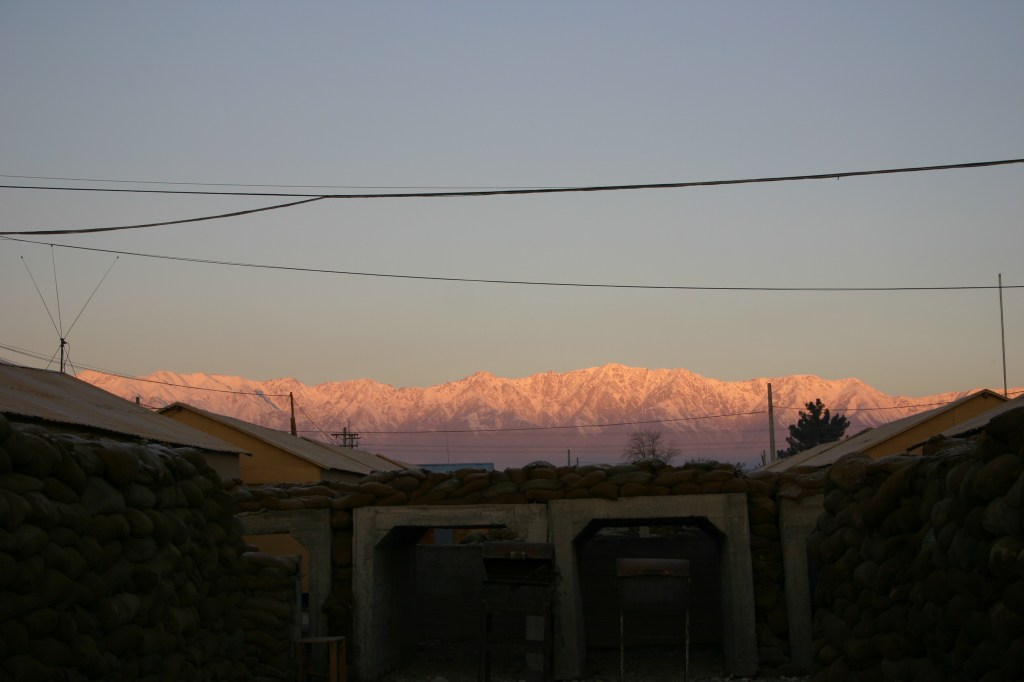
Now… nearly 15 years after I last set foot there, nothing anyone could write, show, or tell me would ever really elicit any new feelings of shock, awe, or resignation.
As a relatively irrelevant cog in the bigger mechanism that is the Department of Defense, I had my own ideas about my time there. I understood and accepted the necessity to do “something” after 9/11 – but my motivations for going there were never retribution. Instead, I had an obligation to the people I served with, not for. I chose to go because people I respected and liked were going, not out of some sense of patriotic duty. Perhaps some of them had such imperatives… mine was to be there for – and with – them. At the same time, I could justify all of my training and preparation up to that point while going to locations I hand never dreamed of visiting.
Early on, while watching the local work force assemble living structures, I pondered the merits of trying to bring democracy and paid employment to the region. While it was noteworthy that jobs were being created, I wondered where the money earned by the workers was going to go – after all, the local needs wouldn’t justify a Walmart or Starbucks opening up, and the austere living style found nearly everywhere suggested a much different philosophy of existence than our own.
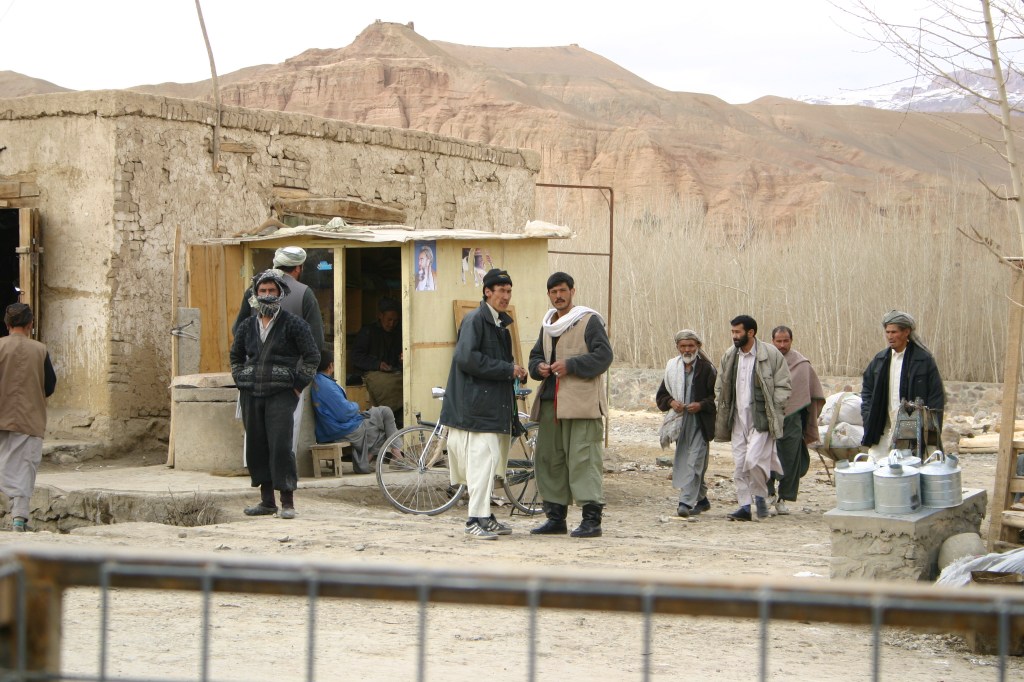
It was suggested (and probably truer than we would like to have admitted back then) that most of the money was quickly intercepted by the local warlords or whomever had the capacity for greater violence. I rapidly became skeptical of the implied power disparity that this might have been creating – we wanted order, but we were possibly creating unintentional disorder by our benevolence and charity. Of course, there was no way for me to test this hypothesis… nor was there any reason for me to fret about things of this nature. My helicopter needed attention, the flights never seemed to stop, and there were a multitude of better things to focus on.
Those thoughts were still there, however. As the year progressed, I even reached a more viable course of action that could have possibly resolved the issue: rather than Western-style democracy, return the nation to a modified feudal system. Keep the warlords in place, charge them with maintaining peace in the region and reinstate whomever was in line for the throne from decades ago. Basically, let the Afghan people work things out for themselves with a structure they might be a bit more familiar with.
By the halfway point of our deployment, Iraq had reached a reached a critical mass of violent discontent… and we in Afghanistan went largely forgotten by the media and American public.
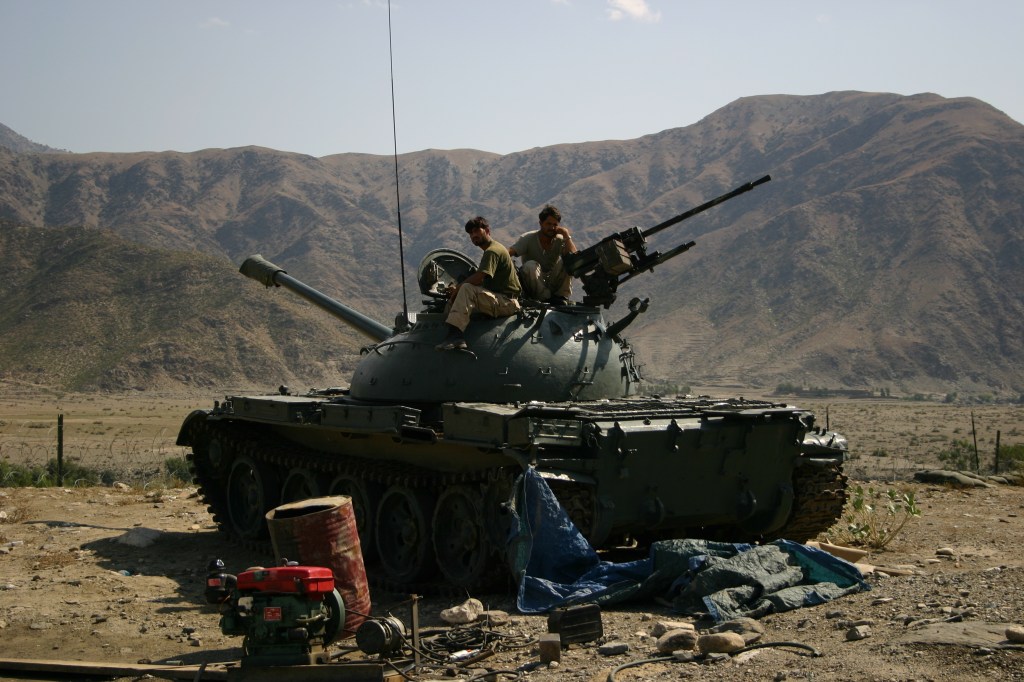
The infamous “good idea fairy” was working overtime during the last few months in country. Plans were being considered to start tackling the opium crops… corruption within the Afghan leadership was being sought out… efforts were being made to expand the training of the Afghan armed forces to allow them to slowly replace our troops… Great things – noble goals.
I felt jaded when I cynically commented that targeting the poppy fields would be the beginning of a bigger nightmare in that country – especially when one of the crops for consideration as a replacement were roses. Wheat offered less profit to the farmers than poppies… and someone considered roses? Corruption and the local will were also far-fetched goals; I had met several locals who seemed very determined to help bring some sort of peace to their homes, but I had also experienced the sensation that things were never quite as simple and clear as they were made to be.
Did I expect that this would be the same for our efforts there?
Yep.
Did it matter to me then?
Not really.
Does it matter to me now?
Again, not really.
See, I have been taking in what I can of the news here, and there are several patters which are disturbingly familiar:
Efforts to impeach a president…
Slow increases in shipbuilding…
Growing public angst…
Geopolitical posturing over alliances and trade…
Many of these we have seen before, and those of us who find history fascinating might be the only ones who understand the delicate nature of our times. We missed a huge opportunity to capitalize on the fall of the Soviet Union in the 1990s due to much of our political and media focus being on the impeachment of Bill Clinton. The naval arms race of the late 19th and early 20th century inched a traditional naval power (Great Britain) towards an emerging adversary (Germany). Charismatic opportunists were able to harness the popular opinion and malaise on a national level (Russia, Germany, China, and many more). Finally, the push and pull of obligations and declarations were precursors to the First World War (to be fair, these are always the origins of conflict, but it is more fitting in this context).
Returning to the idea that the public was deliberately mislead in the updates on the war in Afghanistan…
So?
This wasn’t the first time such distortion may have happened, and it definitely won’t be the last. However, just like the accusations that there was foreign influence on the 2016 election, I pose one simple question: who is really at fault – the person who misleads… or the person who is easily mislead? The action or the reaction?
I was skeptical then – when my own ass was on the line – as I am now, when I have a better concept as to what is truly at stake… Maybe even moreso… but none of it truly surprises me.
Discover more from milsurpwriter
Subscribe to get the latest posts sent to your email.
 milsurpwriter
1 thought on “Afghanistan, Engagement, and Relevance”